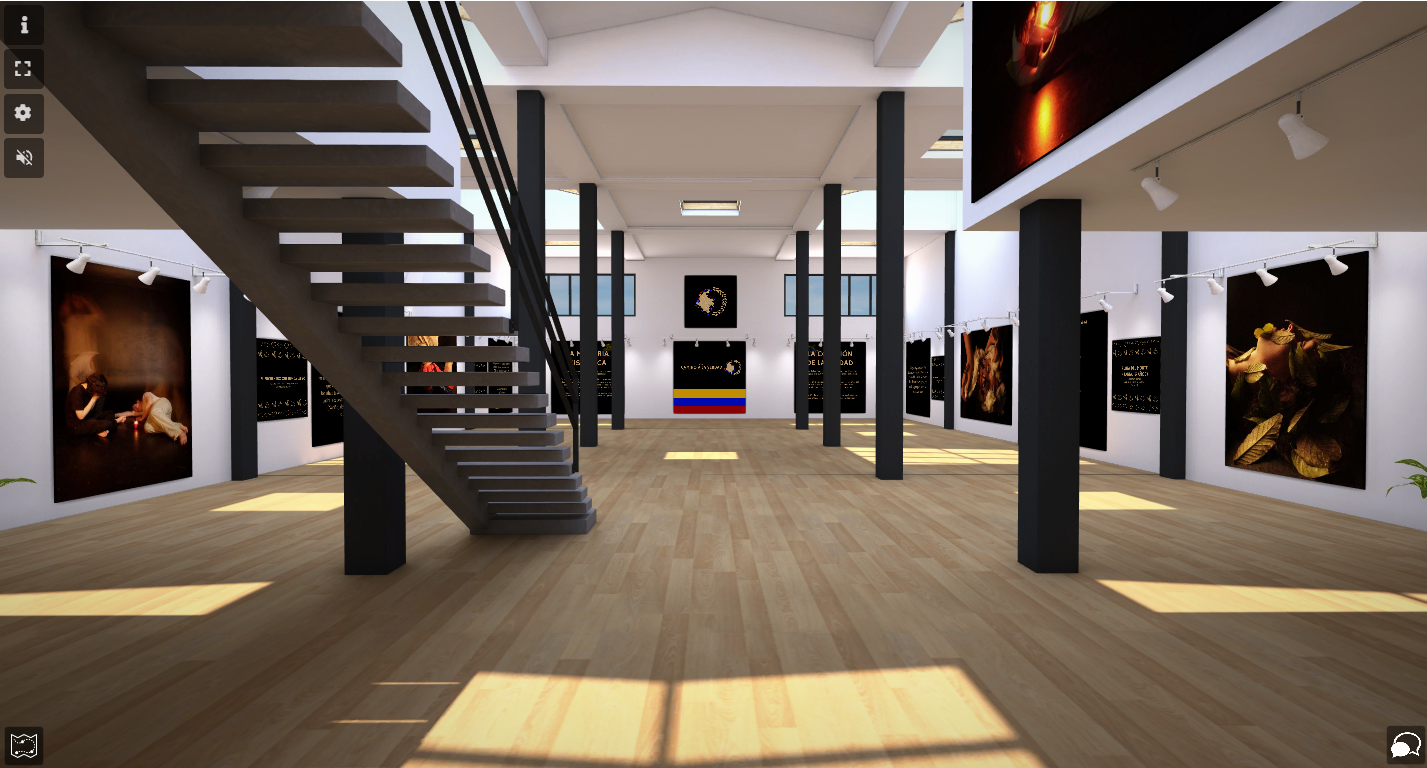
An interactive virtual museum designed to bring the final report of the Truth Commission closer to university students. Through an immersive 3D space, conceptual photographic exhibitions, and synthetic infographics, dense texts were transformed into an accessible visual experience that fosters historical memory and non-repetition in Colombia.
Objective and Communication Strategy
The project emerged within Universidad de Medellín with the purpose of raising awareness among youth regarding the importance of the Truth Commission's report. Facing the challenge of capturing the attention of an audience exposed to information overload, extensive blocks of text were replaced by a dynamic, visually engaging digital ecosystem that promotes empathy, forgiveness, and the recognition of victims of the armed conflict.
Museum Structure and Graphic System
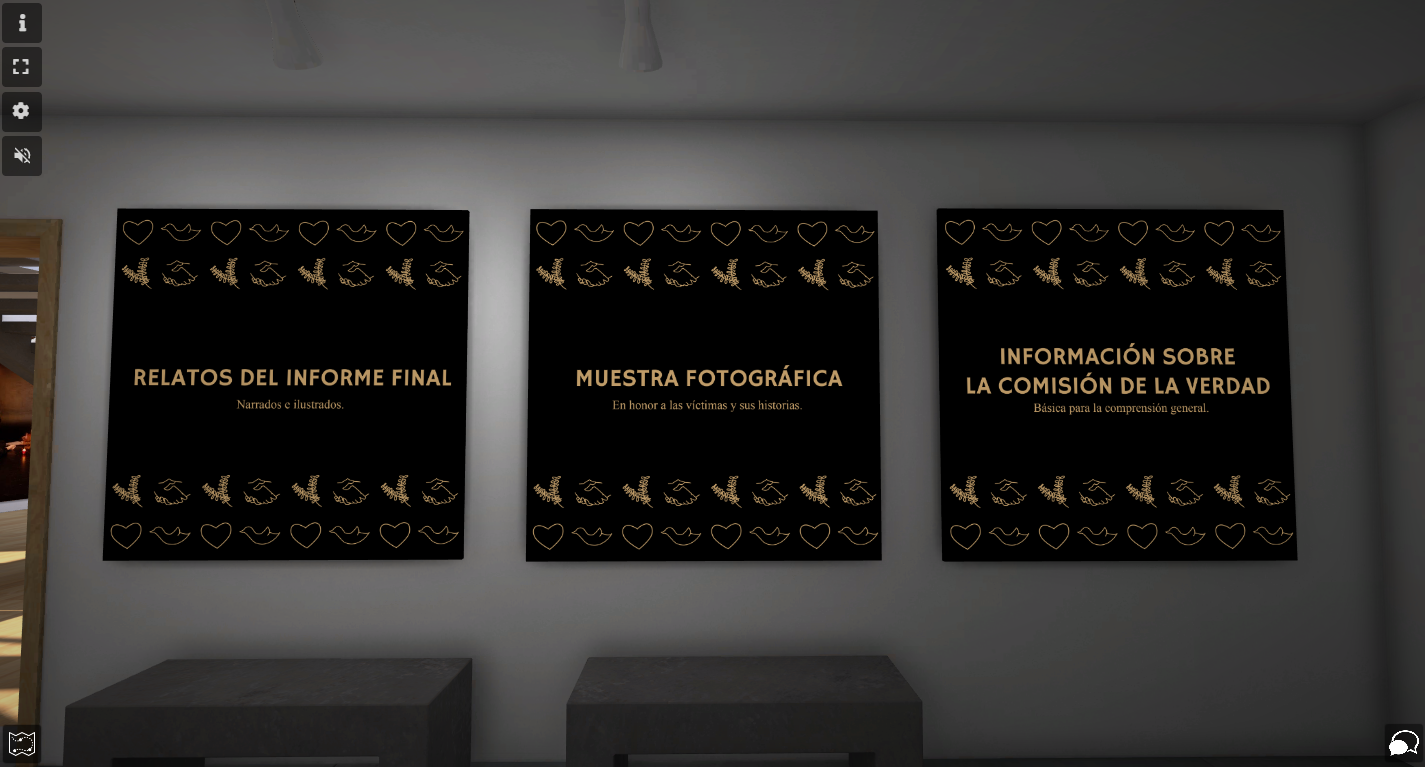
Built on the 3D platform Artsteps, "Camino a la Verdad" allows visitors to navigate virtual rooms at their own pace. The space brings together a curation of key contents:
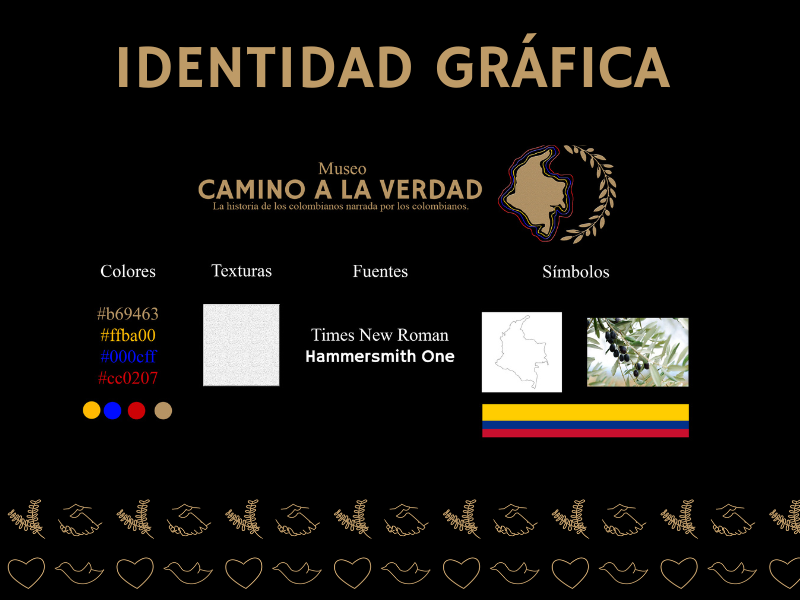
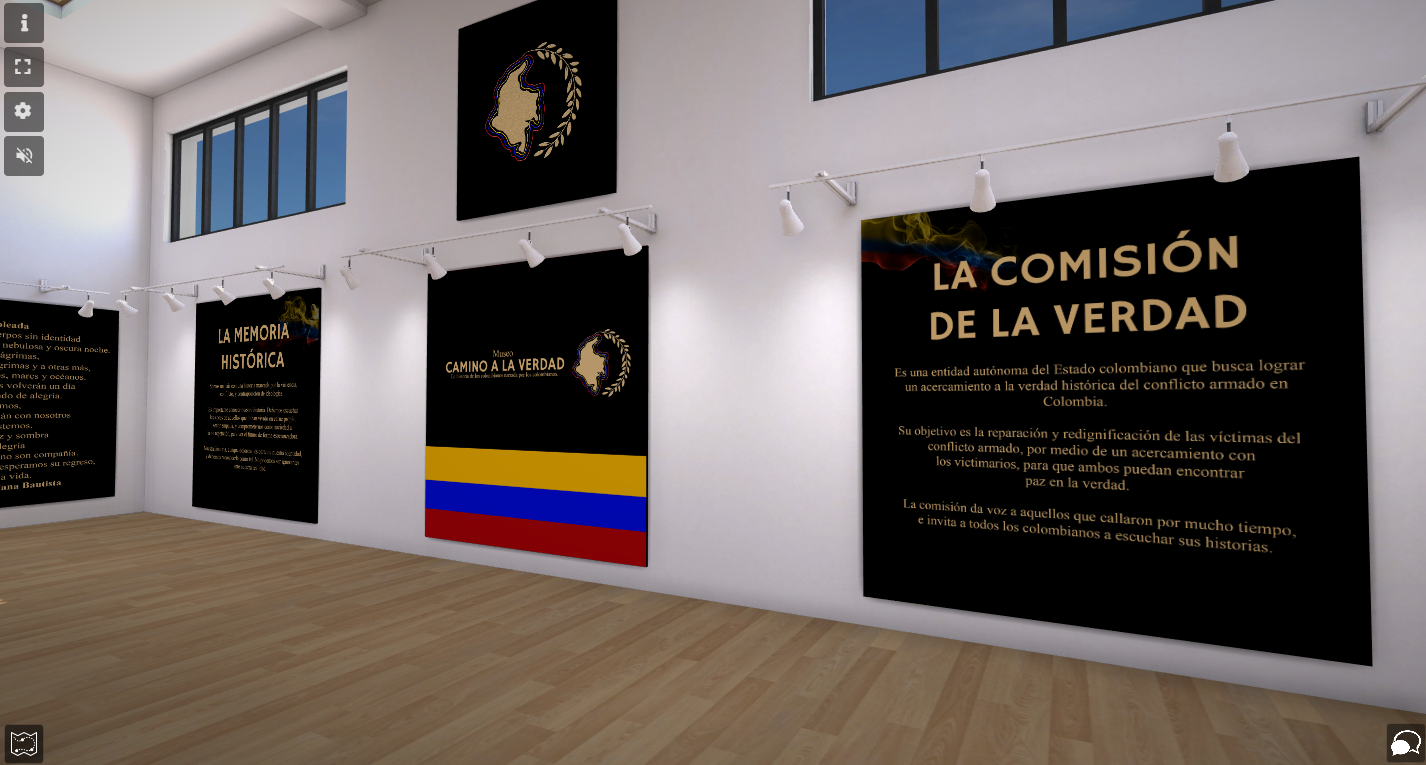
• Graphic System & Branding: Development of a dedicated visual identity featuring a sober color palette (#b69463, #ffba00, #cc0207), institutional typography (Times New Roman and Hammersmith One), and symbolism referencing peace and Colombian territory.
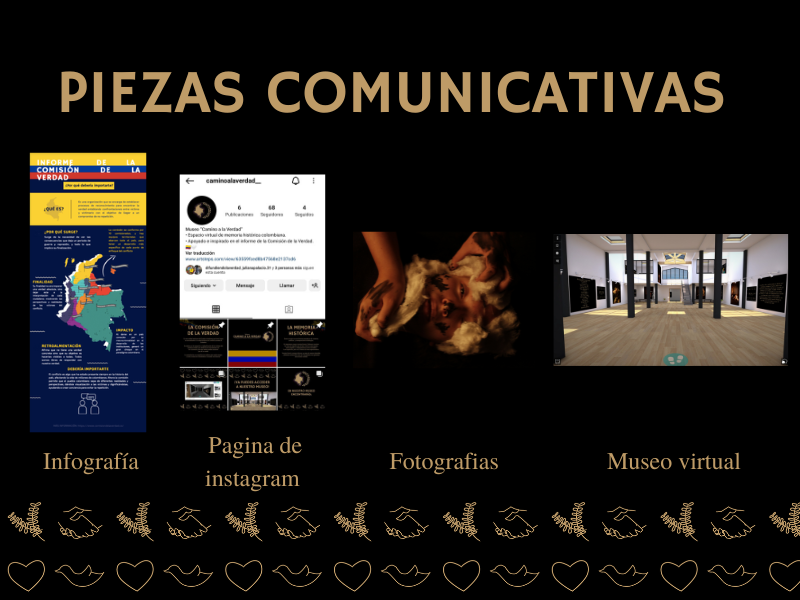
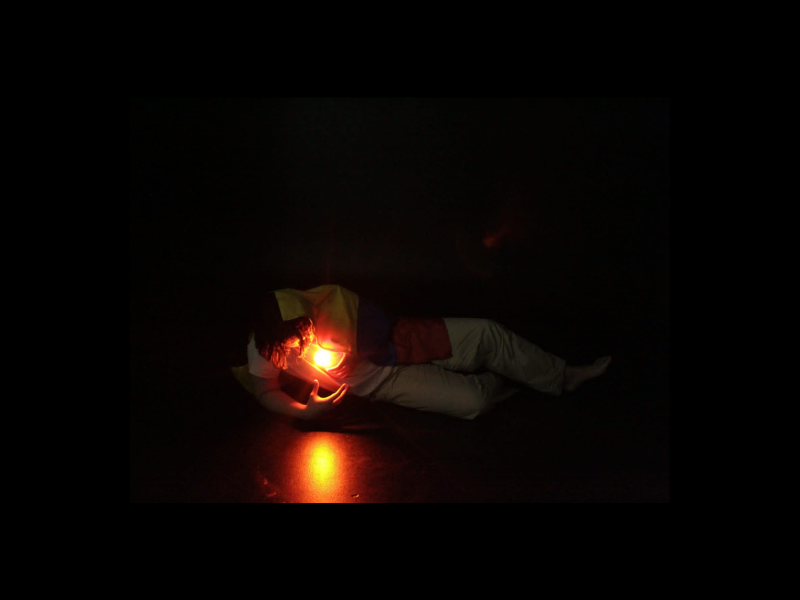
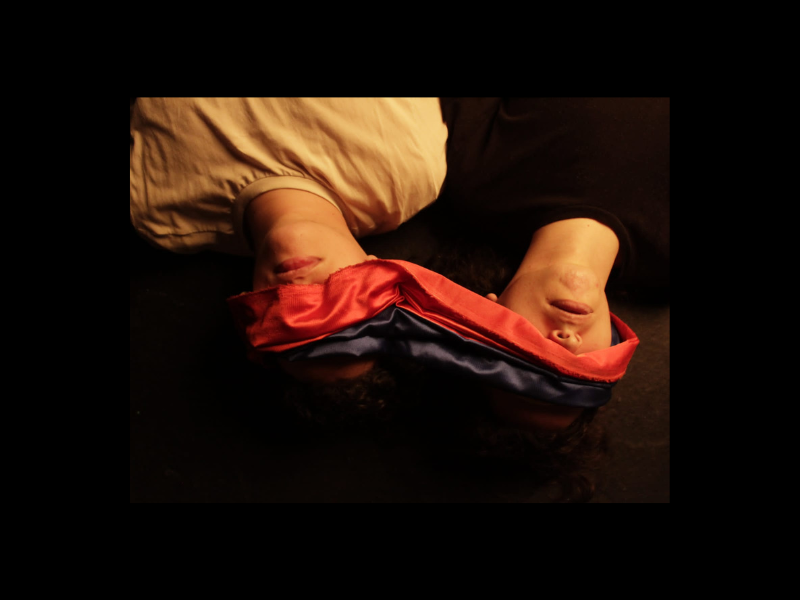
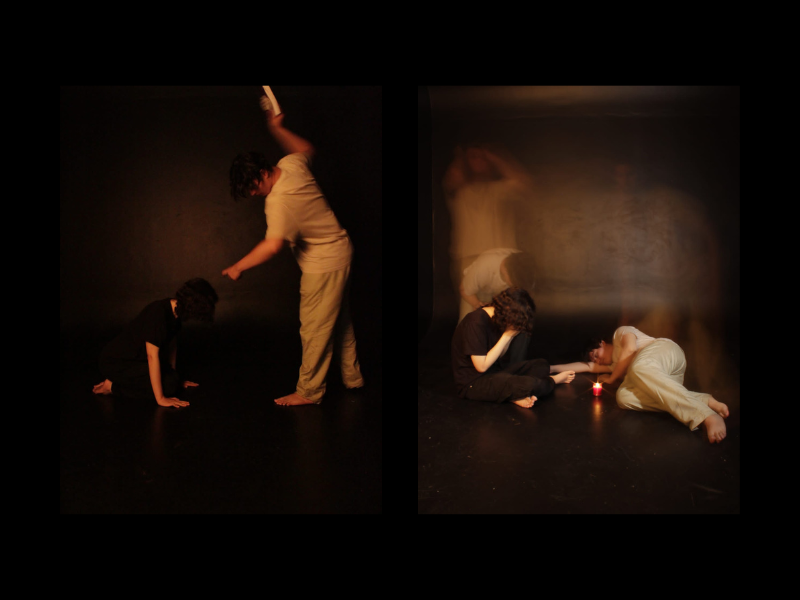
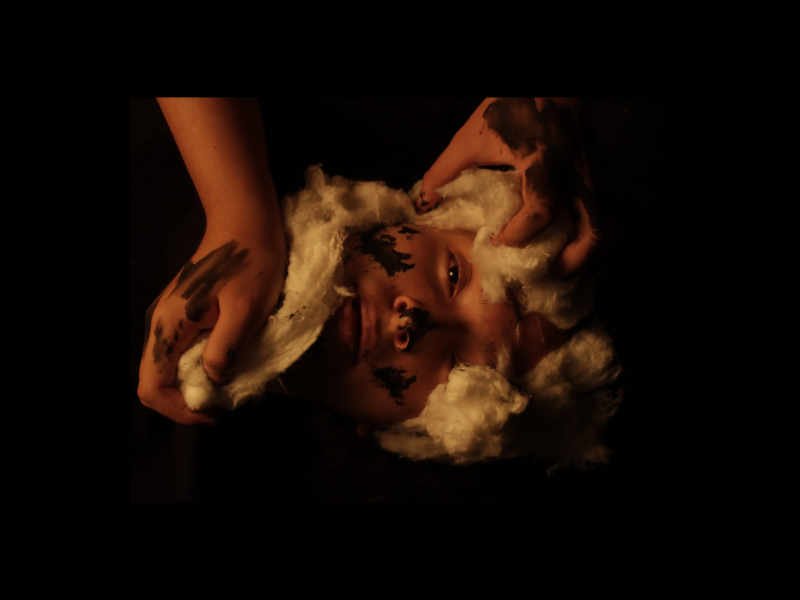
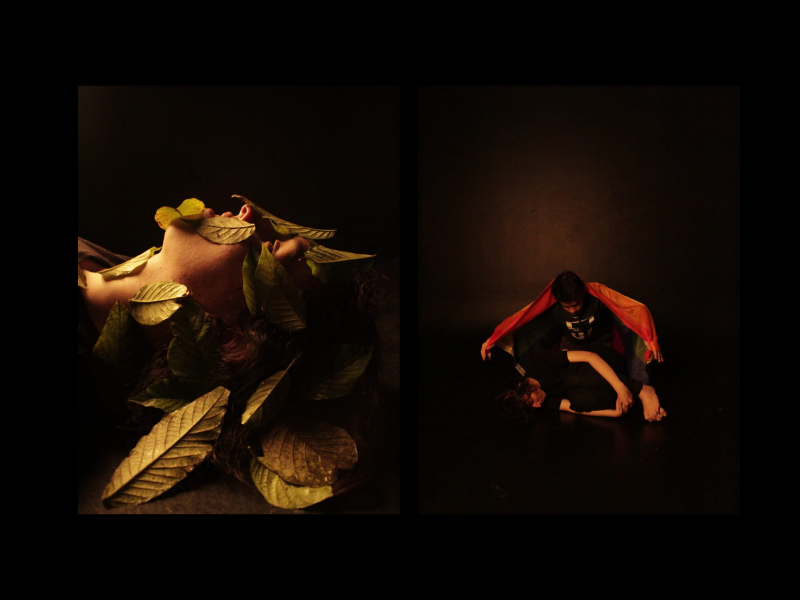
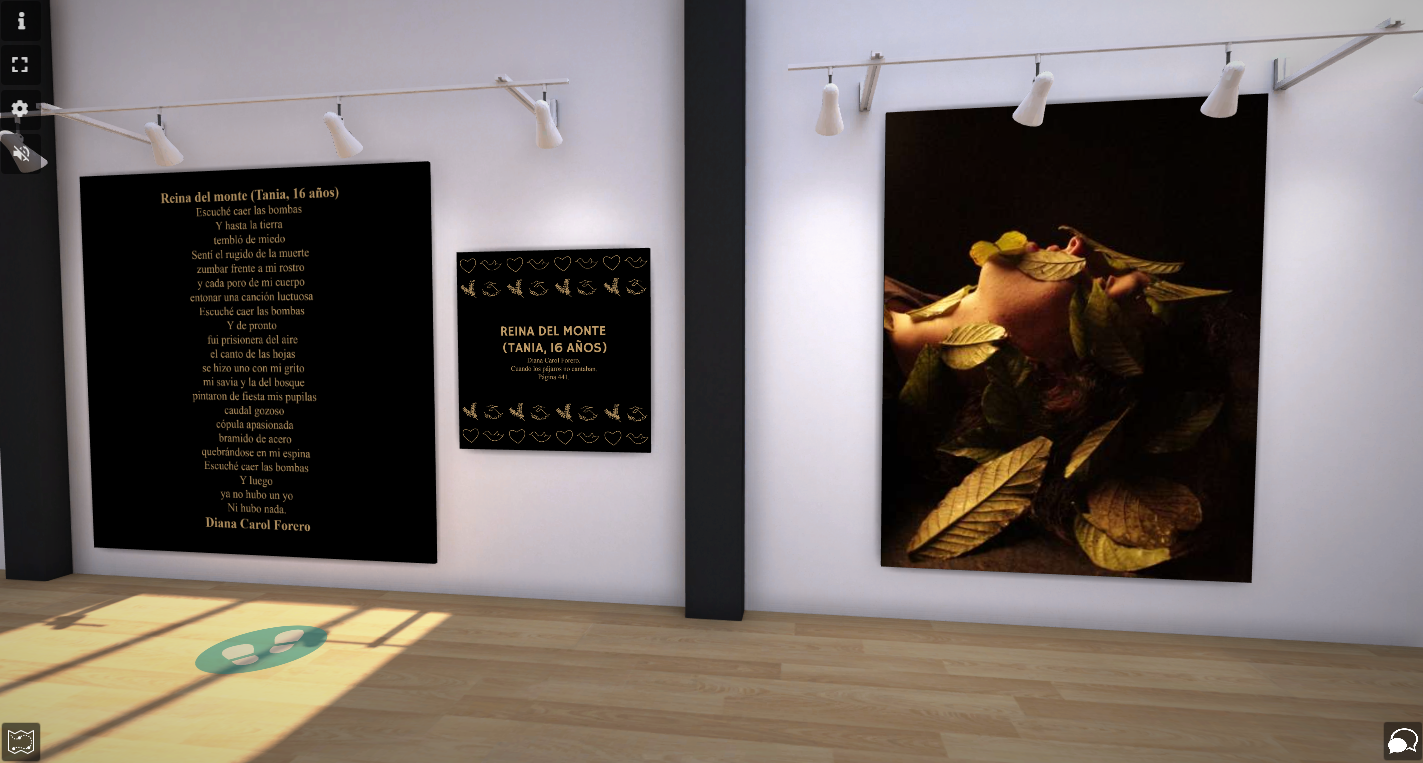
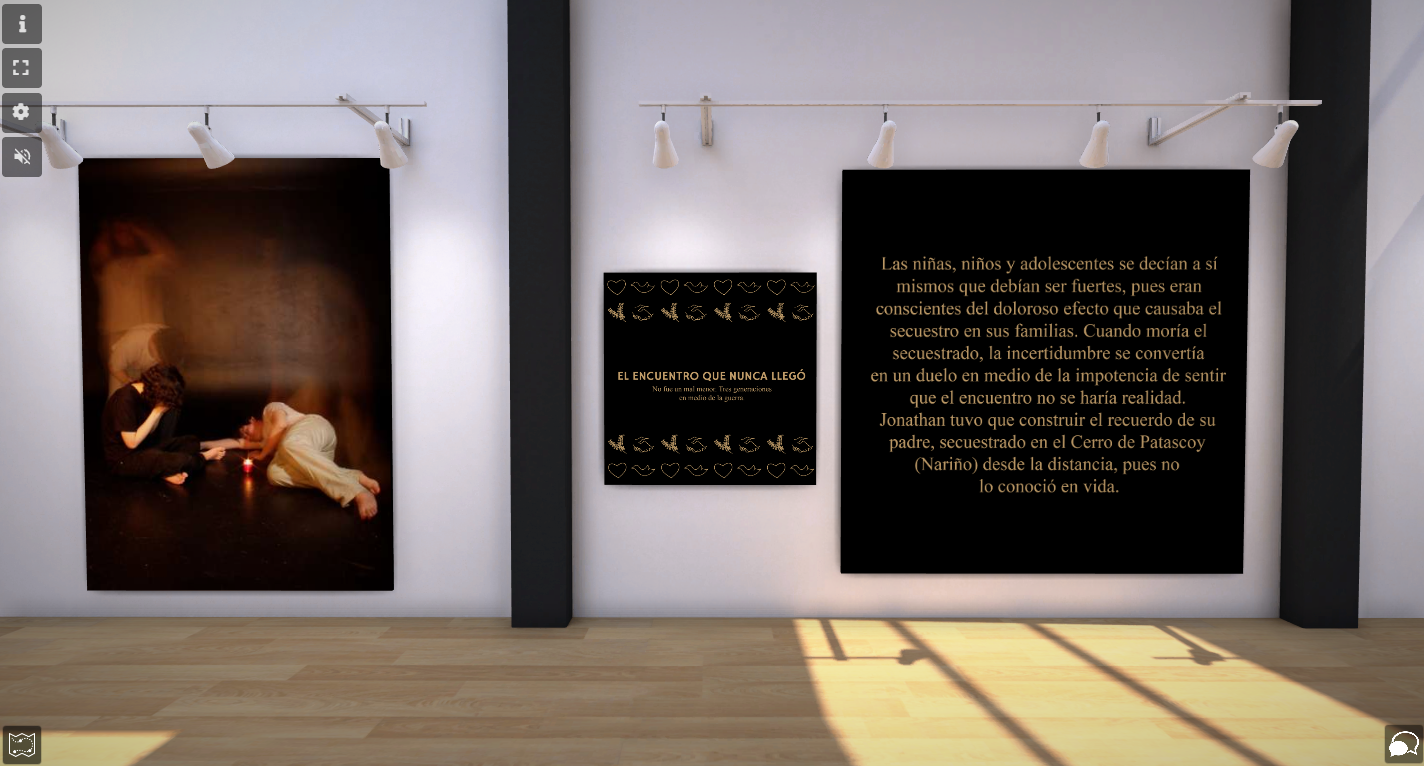
• Photographic Series: Visual exhibition inspired by real accounts extracted from the final report to humanize the memories of the conflict.
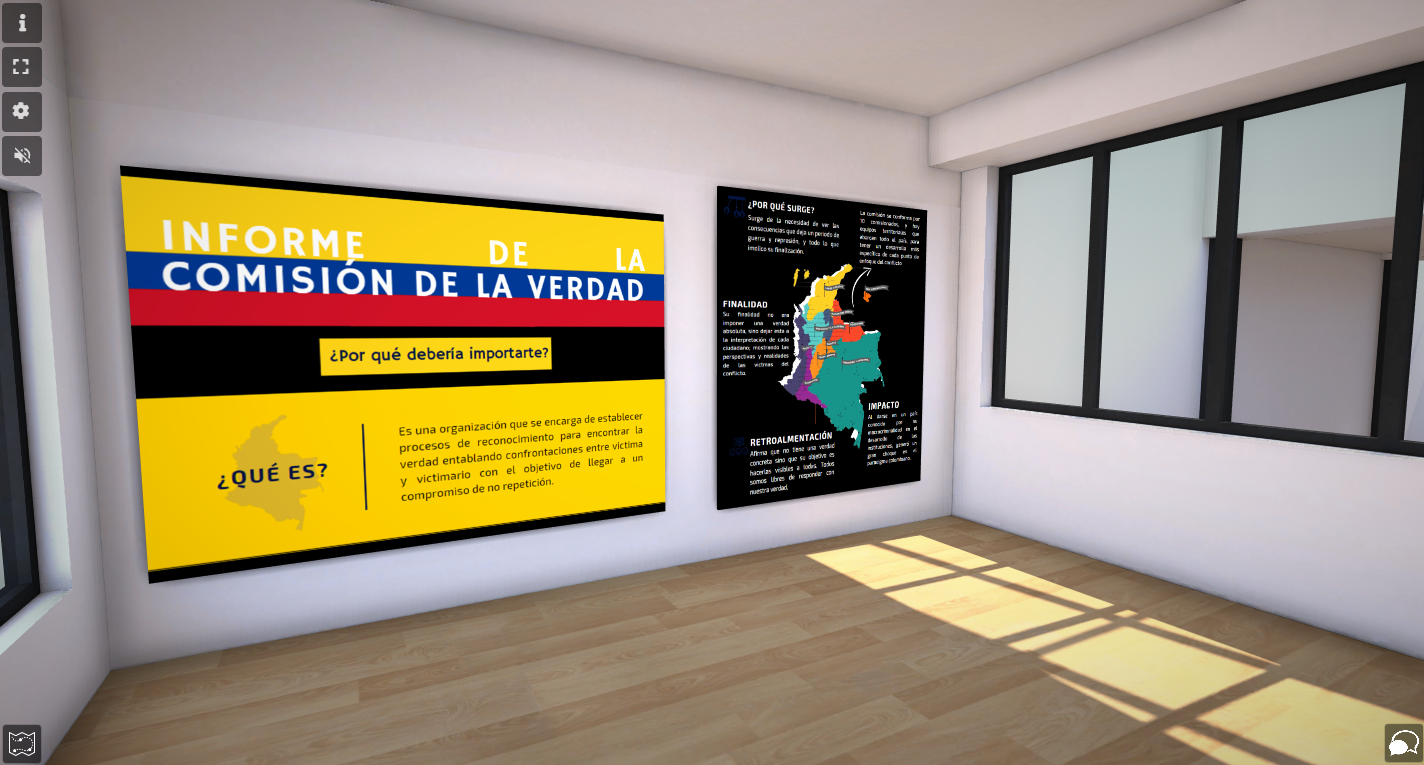
• Synthetic Infographics: Informative pieces explaining what the Truth Commission is, its objectives, and its impact.
• Transmedia Outreach: Creation of a promotional strategy on Instagram (@caminoalaverdad) aimed at encouraging visits and amplifying the message within the educational community.
Results and Academic Impact
The project's development included rigorous fieldwork with over 100 surveys conducted among university students, revealing a strong latent interest in the country's history (100% consider it essential to understand the history of the armed conflict) and the need for innovative pedagogical channels. Grounded in communication theories (intrapersonal, interpersonal, and group), the museum served as an assertive bridge between rational analysis and social empathy.